
FeatureRE:AUTO Journal
JDM 101: The basics every enthusiast should know
Words iqra malik
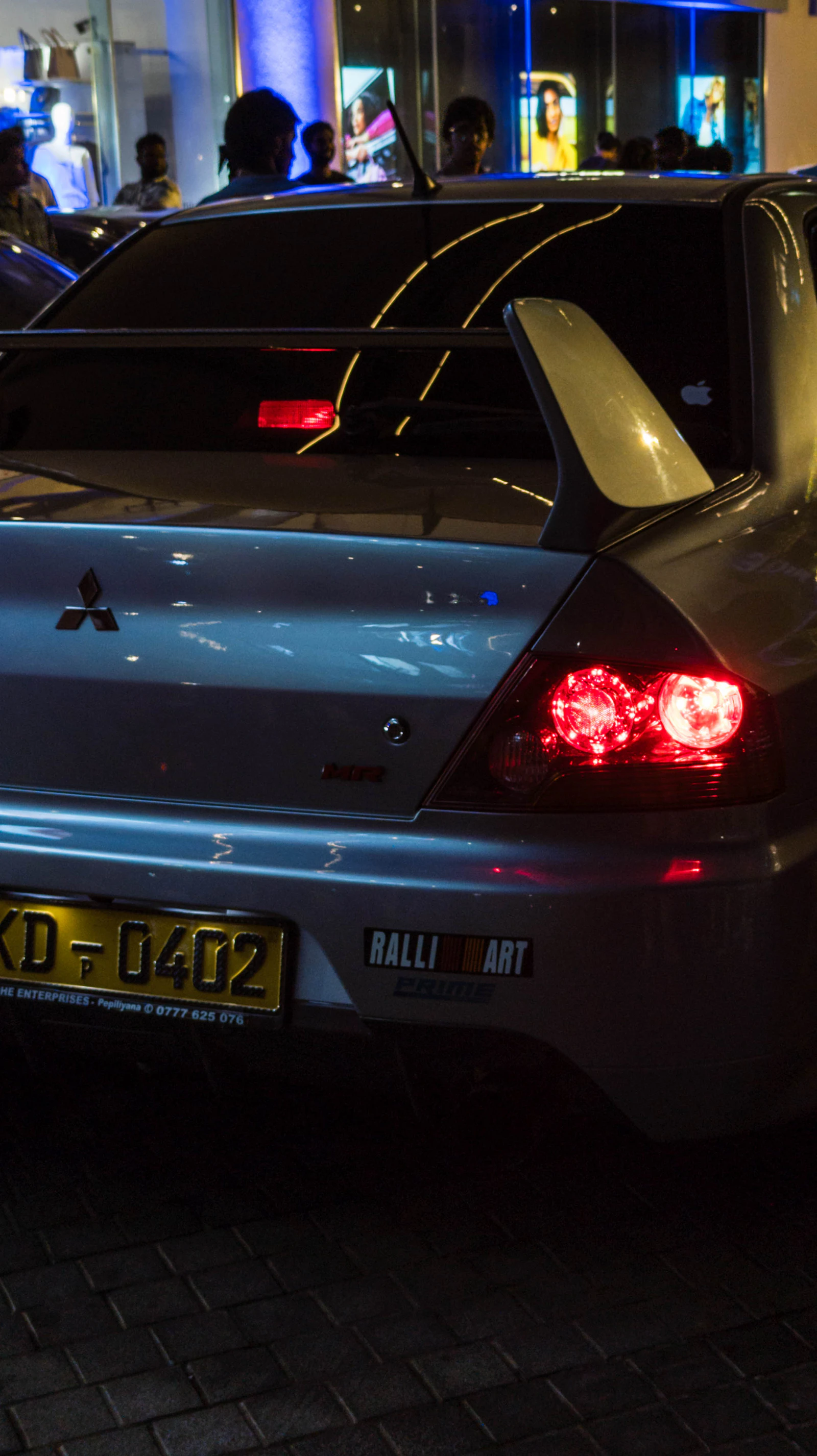 PLATE 01
RE:AUTO JOURNAL
PLATE 01
RE:AUTO JOURNAL
Spend five minutes at any car meet in Melbourne and you'll hear it: JDM. It gets put on stickers, hoodies and half the listings on Marketplace. But what does it actually mean, and why do so many people care about cars that were built for roads on the other side of the world? Here's the short version, from the beginning.
What JDM actually means
JDM stands for Japanese Domestic Market. Strictly speaking it describes cars and parts made to be sold in Japan, often with different engines, trim, lighting or options from the versions exported to Australia, the US or Europe.
Over time the term has grown. Today most people use it to describe Japanese performance cars in general, and the whole scene around them: the tuning, the meets, the style. Purists will argue about that. We think both meanings are fine, as long as you know the difference.
Quick facts
- JDM
- Japanese Domestic Market: built for sale in Japan.
- OEM
- Original Equipment Manufacturer: factory parts, or parts made to factory spec.
- Zenki / Kouki
- Early and late versions of the same model, before and after a facelift.
The gentlemen's agreement
From 1989 until 2004, Japanese car makers kept to an informal limit: no car sold in Japan would advertise more than 280 PS (about 276 hp). It was known as the gentlemen's agreement.
The result was a golden era of cars that were officially "280 PS" but often made more, with strong engines that responded well to tuning. A lot of the cars people now call legends were built during these years, and the aftermarket grew up around unlocking what the factory had left on the table.
Officially 280 horsepower. Unofficially, a whole industry built on finding the rest.
Speak in chassis codes
Japanese makers give every generation of a model its own chassis code, and enthusiasts use those codes instead of model names. It's quicker and much more precise.
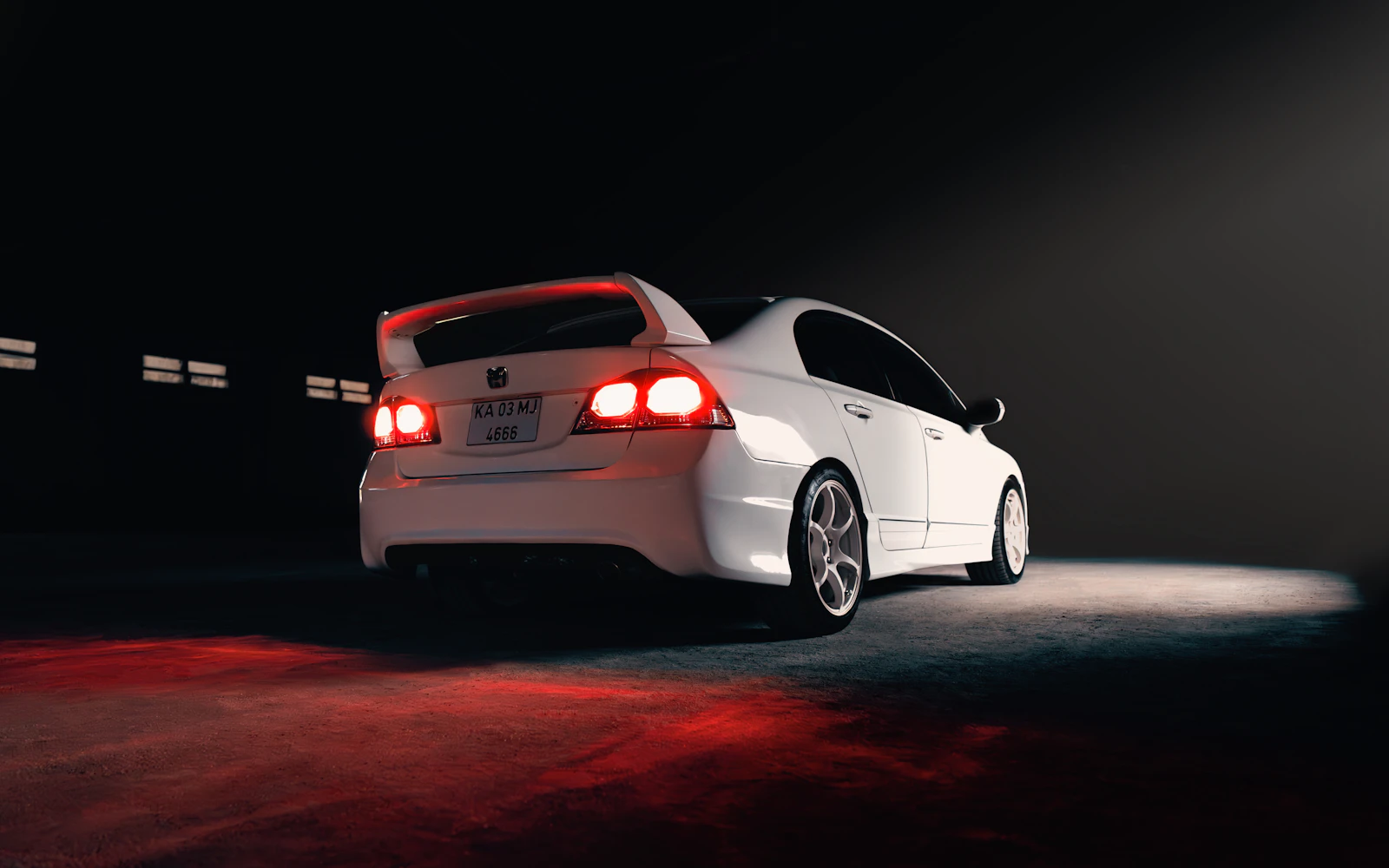
"Integra Type R" could mean two very different cars. Say DC2 and everyone knows you mean the B18C-powered car from the 90s. Say DC5 and it's the K20A version from the 2000s. Same goes for Civics: EK9, EP3, FD2, FK8. Learn the codes and you'll find the right parts, the right forum threads and the right people much faster.
Why it matters when you shop
Parts are listed by chassis code because two cars with the same name can share almost nothing underneath. Before you buy anything, know your code. It's usually on the compliance or VIN plate.
Meet culture
In Japan, car culture lives in places like the parking areas on Tokyo and Yokohama's expressways. Daikoku PA, under a tangle of highway ramps in Yokohama, is the famous one: on a good night it fills with everything from stock kei cars to full time-attack builds.
The appeal isn't racing. It's the variety, and the respect people show each other's work. Nobody laughs at a mild build. Everyone started somewhere.
Respect the build
That idea is what RE:AUTO GARAGE is built on. Whether you're running a bone-stock daily or a car you've spent years on, here's the etiquette that keeps meets open and welcoming:
- No burnouts, launches or loud revving at the venue.
- Ask before you touch, sit in or open anything.
- Take your rubbish with you.
- Compliment the work, not just the money spent.
- Leave quietly. The next meet depends on it.
A starter glossary
- Type R: Honda's badge for its most focused, track-ready models.
- VTEC: Honda's variable valve timing system, famous for the change in sound and pull at high revs.
- OEM+: modifying with parts that look like they could have come from the factory.
- Time attack: racing against the clock, one car at a time.
- Kei car: Japan's small-car class, limited in size and engine capacity.
That's the basics. Got a question we didn't answer? Ask it in the community, someone will know.
Built something worth reading about?